Study topic

CDL Hazmat Papers and Placards

Study hazardous materials shipping papers, emergency response information, placards, labels, and hazard communication.

Where this page fits

Endorsements: CDL Hazmat Papers and Placards

This page is one checkpoint inside the CDL study guide. Use the map to move between the full outline, topic notes, practice questions, and focused weak-area review.

  • Use papers and placards as emergency communication tools.
  • Watch for missing, damaged, or inconsistent hazard information.
  • Resolve document or placard conflicts before moving the load.

How to study hazmat documents and placards

Hazmat paperwork and placards exist so hazards can be identified quickly. These questions test whether the right information is available, visible, and consistent.

  • Shipping papers and emergency response information
  • Hazard class, proper shipping name, and identification number
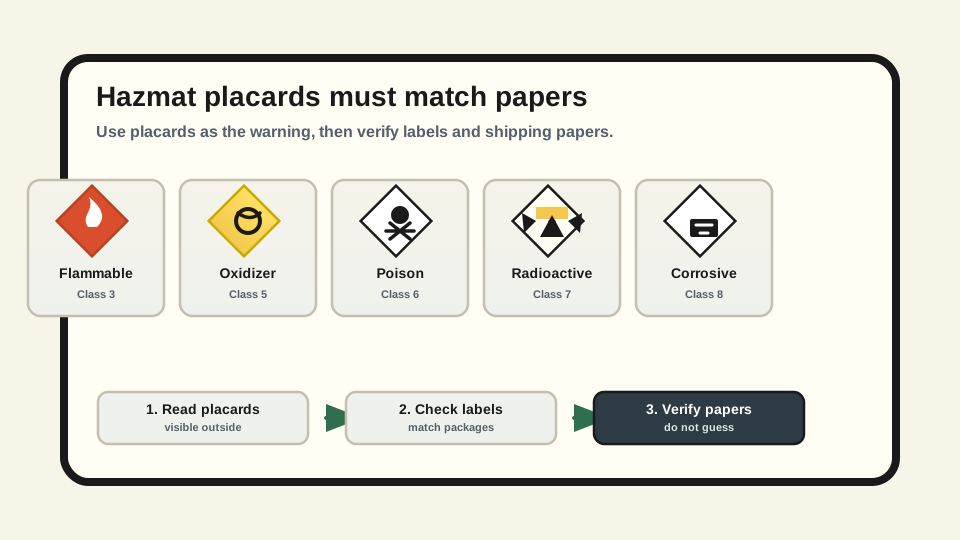
  • Placards, labels, and markings
  • What to do when information is missing or inconsistent
  • How emergency responders use the information

How to study this topic

Papers are emergency tools

Shipping papers are not only delivery documents. They help identify the material and guide emergency response.

Placards must communicate clearly

A damaged, missing, or incorrect placard can keep other road users and responders from recognizing the hazard.

Conflicts should stop the load

If labels, placards, or papers disagree, the safe answer is to resolve the inconsistency before transportation.

Practice questions

CDL Hazmat Papers and Placards Quiz

Answered 0 / 14
Question 1

You are carrying a placarded hazardous materials load. Where should the shipping papers be kept while you are driving?

Question 2

A shipping paper lists the proper shipping name, hazard class, and identification number. Why are these details important?

Question 3

You notice that the shipping papers for a hazmat load do not match the labels on several packages. What should you do before moving the load?

Question 4

What is the main purpose of placards on a vehicle carrying hazardous materials?

Question 5

Before leaving with a placarded load, what should the driver check about the placards?

Question 6

A package label says the material is flammable. What should that tell you as a driver?

Question 7

What is the best reason to keep hazmat shipping papers within immediate reach while driving?

Question 8

A shipping paper is missing the emergency response telephone number when one is required. What should happen before transportation?

Question 9

What do placards primarily communicate?

Question 10

A placard is torn so the hazard class cannot be read clearly. What should be done before the vehicle moves?

Question 11

What should a driver do if emergency responders ask what hazardous material is on the vehicle?

Question 12

A package label and the shipping paper disagree about the hazard class. What is the safest study answer?

Question 13

A shipping paper lists a hazardous material but the placards on the vehicle show a different hazard class. What should happen before the trip?

Question 14

Why must shipping papers be easy to identify among other papers?

Keep practicing

Choose what to practice next.